

A competition for AI storytellers
Submit a Body of Work that tells a story from start to finish. Be reviewed by expert judges, and compete for a $1,000 grant and a feature in Prompt Magazine.
Edition 1 is now closed. Browse the winning entries below.
Sponsored by


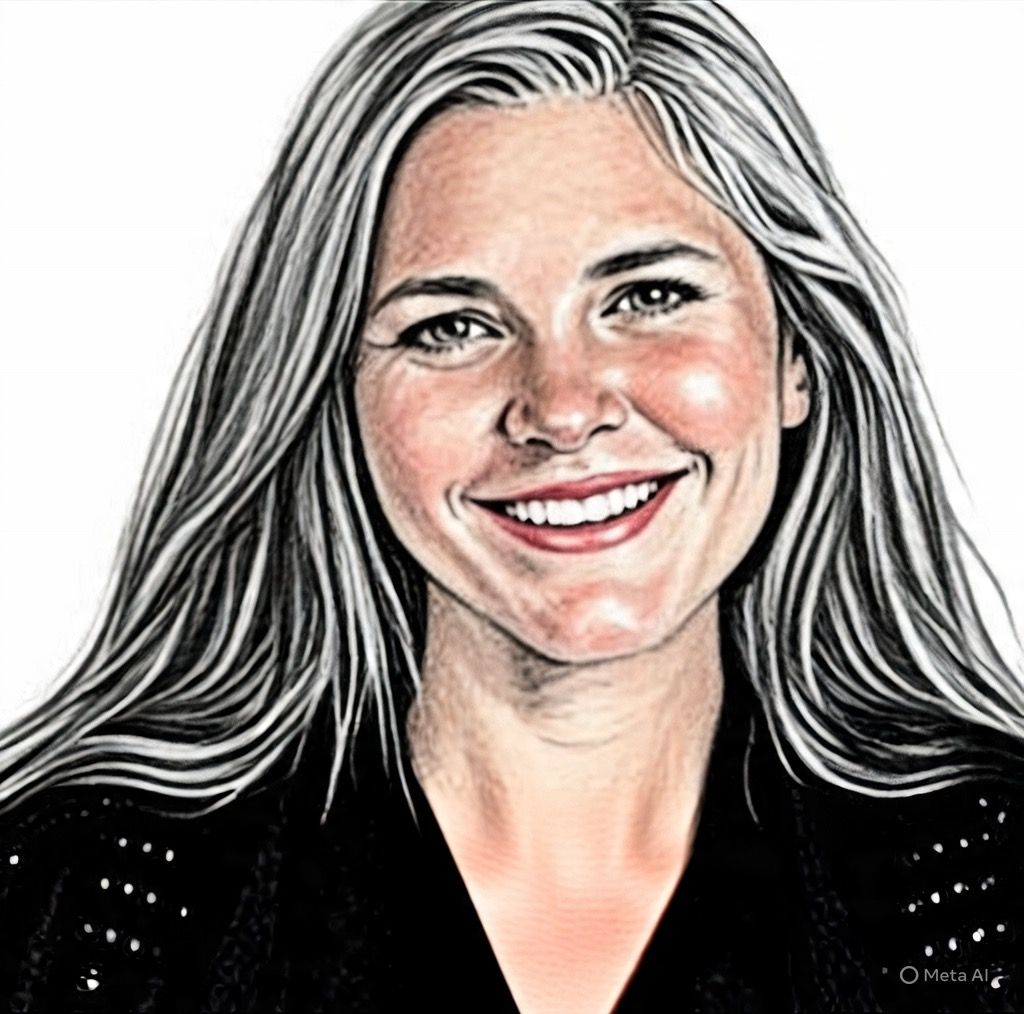
Shirley Ulbrich submitted an entry to NightCafe Select
The Forge of Broken Things.2
-
Armed Resistance: Before and during the 1755 British expulsion Beausoleil led guerrilla militias to defend Acadian communities, homes, and churches against British forces.
-
Symbol of Hope: He earned his nickname, "Beautiful Sun" (or light of the resistance), from his fellow Acadians because he provided hope and protection during a period of severe persecution and ethnic cleansing.
-
Resettlement in Louisiana: After enduring imprisonment and exile, Beausoleil successfully led a group of nearly 200 Acadian refugees out of Halifax to the Gulf Coast in 1765.
Edition 1 Theme
The Architecture of Feeling
Pick a feeling - (wonder, longing, awe, the quiet kind of joy, it's up to you!) - and build a Body of Work that tells a story about it. Tell one story from start to finish, as a collection of images and/or videos, or as a single edited video. Think short film or mini exhibition, not a single image, clip, or mood board.
We want to feel it, not just see it.
Key Dates
Entries open
Jun 15, 2026
Entries close, judging begins
Jul 12, 2026
Winners announced
Jul 20, 2026
Competition complete.
Awards & Prizes
- 🏆Best Overall$1,000 USD grant + 30,000 fast credits + feature in Prompt Magazine
- 📖Best Storytelling15,000 fast credits + feature in Prompt Magazine + verified Select portfolio
- ✨Most Creative15,000 fast credits + feature in Prompt Magazine + verified Select portfolio
- ❤️Community Favourite15,000 fast credits + feature in Prompt Magazine + verified Select portfolio
- 🎖️Highly Commended (×10)2,400 fast credits each + print copy of Prompt Magazine + Highly Commended badge
Judging Panel


FAQ
Discuss NightCafe Select
Key Dates
Entries open
Jun 15, 2026
Entries close, judging begins
Jul 12, 2026
Winners announced
Jul 20, 2026
Competition complete.
Judging Panel
Discuss NightCafe Select
Edition 1 Theme
The Architecture of Feeling
Pick a feeling - (wonder, longing, awe, the quiet kind of joy, it's up to you!) - and build a Body of Work that tells a story about it. Tell one story from start to finish, as a collection of images and/or videos, or as a single edited video. Think short film or mini exhibition, not a single image, clip, or mood board.
We want to feel it, not just see it.
Key Dates
Entries open
Jun 15, 2026
Entries close, judging begins
Jul 12, 2026
Winners announced
Jul 20, 2026
Competition complete.
Awards & Prizes
- 🏆Best Overall$1,000 USD grant + 30,000 fast credits + feature in Prompt Magazine
- 📖Best Storytelling15,000 fast credits + feature in Prompt Magazine + verified Select portfolio
- ✨Most Creative15,000 fast credits + feature in Prompt Magazine + verified Select portfolio
- ❤️Community Favourite15,000 fast credits + feature in Prompt Magazine + verified Select portfolio
- 🎖️Highly Commended (×10)2,400 fast credits each + print copy of Prompt Magazine + Highly Commended badge
Judging Panel
FAQ
Discuss NightCafe Select
Edition 1 Theme
The Architecture of Feeling
Pick a feeling - (wonder, longing, awe, the quiet kind of joy, it's up to you!) - and build a Body of Work that tells a story about it. Tell one story from start to finish, as a collection of images and/or videos, or as a single edited video. Think short film or mini exhibition, not a single image, clip, or mood board.
We want to feel it, not just see it.
Awards & Prizes
- 🏆Best Overall$1,000 USD grant + 30,000 fast credits + feature in Prompt Magazine
- 📖Best Storytelling15,000 fast credits + feature in Prompt Magazine + verified Select portfolio
- ✨Most Creative15,000 fast credits + feature in Prompt Magazine + verified Select portfolio
- ❤️Community Favourite15,000 fast credits + feature in Prompt Magazine + verified Select portfolio
- 🎖️Highly Commended (×10)2,400 fast credits each + print copy of Prompt Magazine + Highly Commended badge