
⚡ Ends Midnight Tomorrow: Save 50% ⚡ Get 6 months FREE →
All the best AI models in one place
Nano Banana, GPT Image, Flux, Seedream, Seedance and more. Try it now for free!

3 years ago
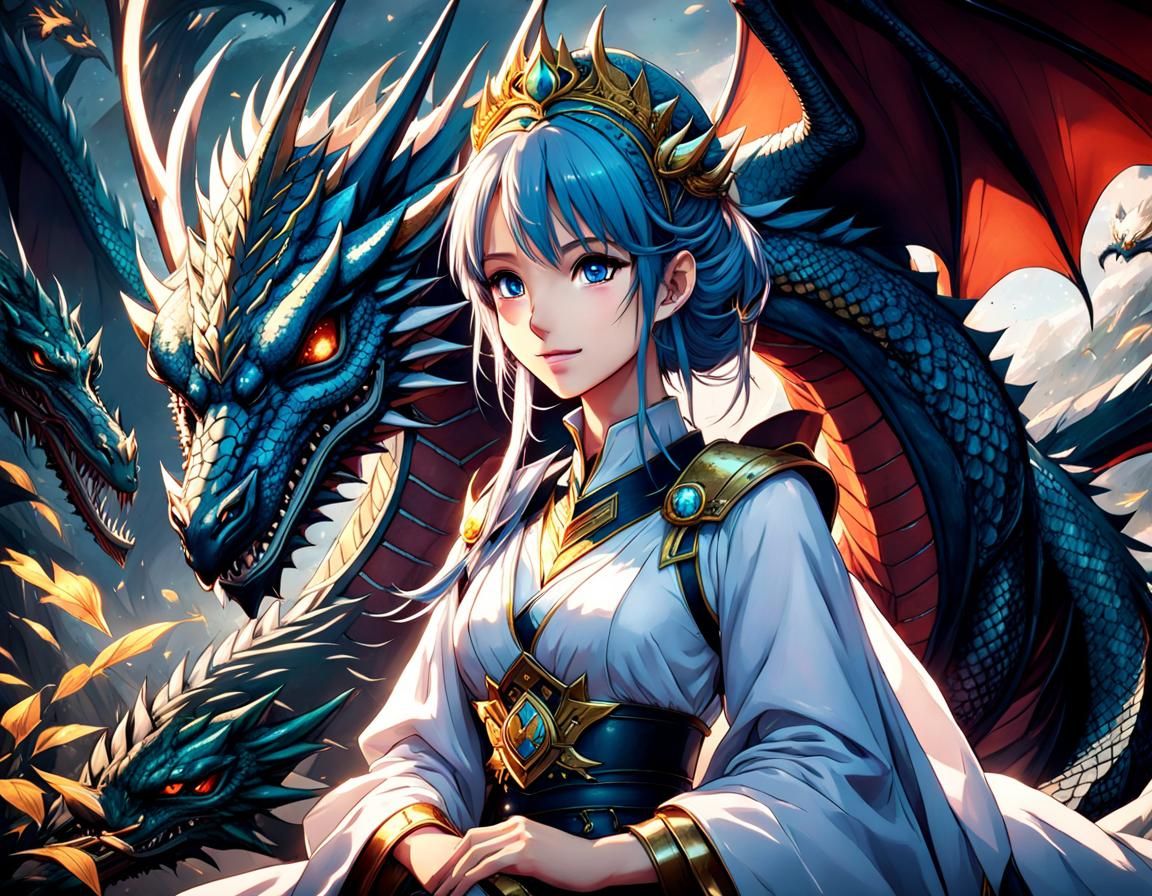
Thần Nông (Lord of the Fields): Thần Nông is the god of agriculture, responsible for crop fertility and farming success. Farmers pay homage to him for bountiful harvests.
Created 3 years ago · 0 comments· 0 likes
Mysterious XL v4
Thần Nông's historical significance traces back to ancient Vietnamese agricultural practices. His veneration reflects the agrarian roots of the nation, where farming has long been the lifeblood of the economy and culture.
The concept of Thần Nông as the god of agriculture became increasingly prominent during the rule of the Hùng Kings, considered Vietnam's earliest monarchs. These kings were believed to be instrumental in the development of agricultural techniques, emphasizing the cultivation of wet rice, which remains a staple crop in Vietnam.
As agriculture flourished, so did the devotion to Thần Nông. His worship became a crucial aspect of rural life and a source of spiritual guidance for farmers. Rituals, ceremonies, and festivals dedicated to Thần Nông are celebrated to this day, reinforcing the reverence for the god of agriculture and the enduring ties between the Vietnamese people and the land that sustains them.
No comments yet
Be the first to respond!

No comments yet.
Creation Settings
- Text Prompts
Johnny Mnemonic has hidden the prompt
- Model
 CKPT
CKPT- Initial Resolution
Medium
- Aspect Ratio
1:1
- Runtime
Short
- Overall Prompt Weight
50%
- Refiner Weight
50%
- Sampling method
K_DPMPP_2M


