
All the best AI models in one place
Nano Banana, GPT Image, Flux, Seedream, Seedance and more. Try it now for free!

2 years ago
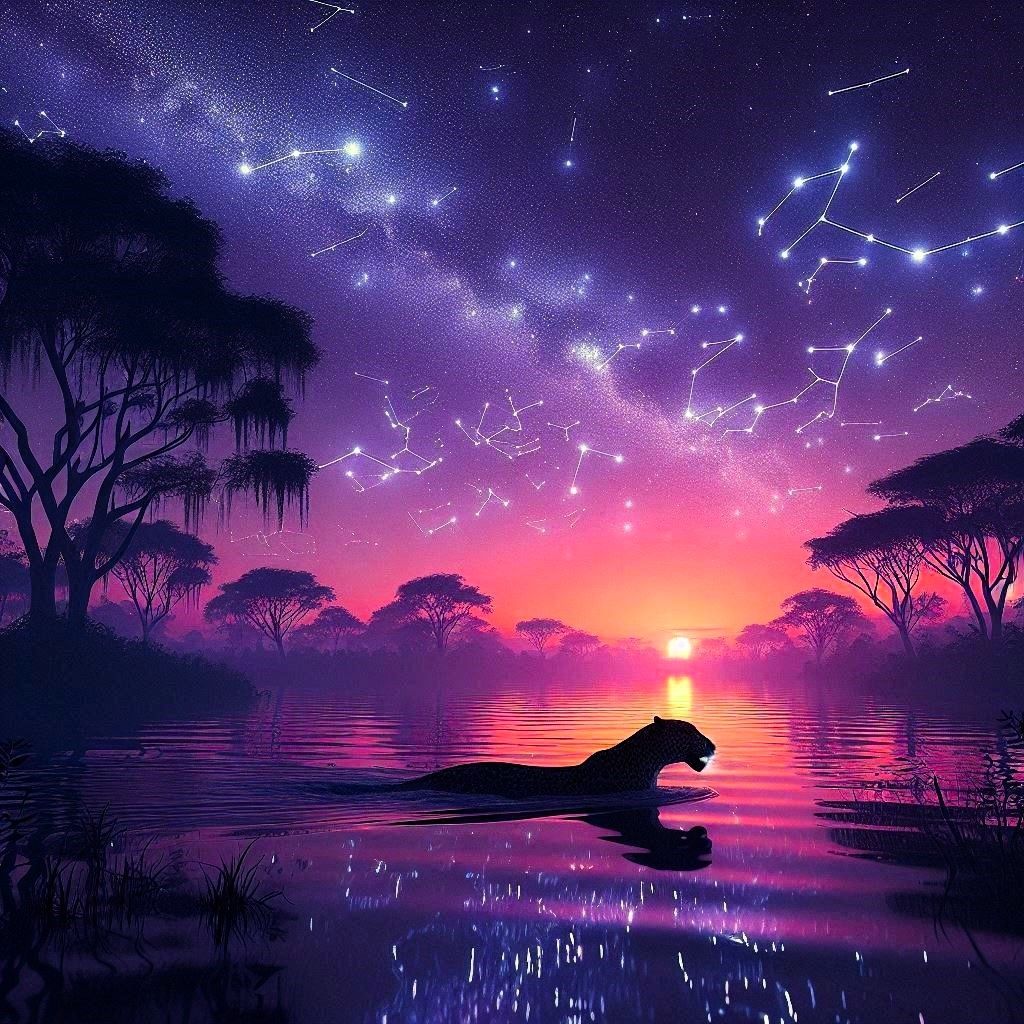
Evening Swim..for more info on jags: https://www.worldwildlife.org/species/jaguar
Created 2 years ago · 154 comments· 0 likes·🪙 1
Uploaded
Unlike many domestic cats, jaguars don’t avoid water. They have adapted to living in wet environments, and can be found swimming in lakes, rivers and wetlands. They are confident swimmers, known to cross large rivers.
Deforestation rates are high in Latin America, both for logging and to clear space for cattle ranching. This results in many new threats to jaguars, from the loss of their home to isolating their populations, making breeding harder. Less habitat also means jaguars’ prey is reduced - over a quarter of their range is thought to have depleted numbers of wild prey. This leads them to hunt livestock and be killed by people. They’re also vulnerable to poaching, despite this being illegal. Though demand for their skins has declined since the mid-1970s, jaguar paws, teeth and other parts are still sought after, both locally and internationally for traditional medicine and ornaments.
154 Comments
Join the conversation

Pascal @Storybook_Lover
Beautiful Scenery Marky 🥰🥰🥰
2025-09-28T20:39:58.998ZReply





This is both beautiful yet heart-rending! A youtube news live podcast I listen to daily (because our terrestial TV news is corrupt and biased) brought up the tranquilising, then sawing of horns off a hippo mum with babes present, and without horns she dies a horrid death and babes die too without her! Broke my heart and gave me nasty nightmares!! Likewise, I'm heartbroken that mankinds cruelty is killing any wild animal in the guise of medicinal properties. Didn't realise Jaguars were on that evil hotlist! Makes me feel sick. China government (among others) has encouraged this outlandish and brutal mentality toward animals in the name of miraculous medicine (and of course £££). It sickens me so much. Hence, I don't buy anything made in China!!!! Phew, that off my chest, these beautiful big cats have learned to swim out of necessity for survival... who knows, they may learn to swim far and long and turn up in better places... at least I wish! Glass half-full, and all that! 💜💜💜
Creation Settings
This creation was not made on NightCafe.
- Model
D3
- Prompts
Not provided
- Workflow
Not provided


