
🎉 Annual PRO Sale: 50% Off! 🎉 Get 6 months FREE →
All the best AI models in one place
Nano Banana, GPT Image, Flux, Seedream, Seedance and more. Try it now for free!

a year ago
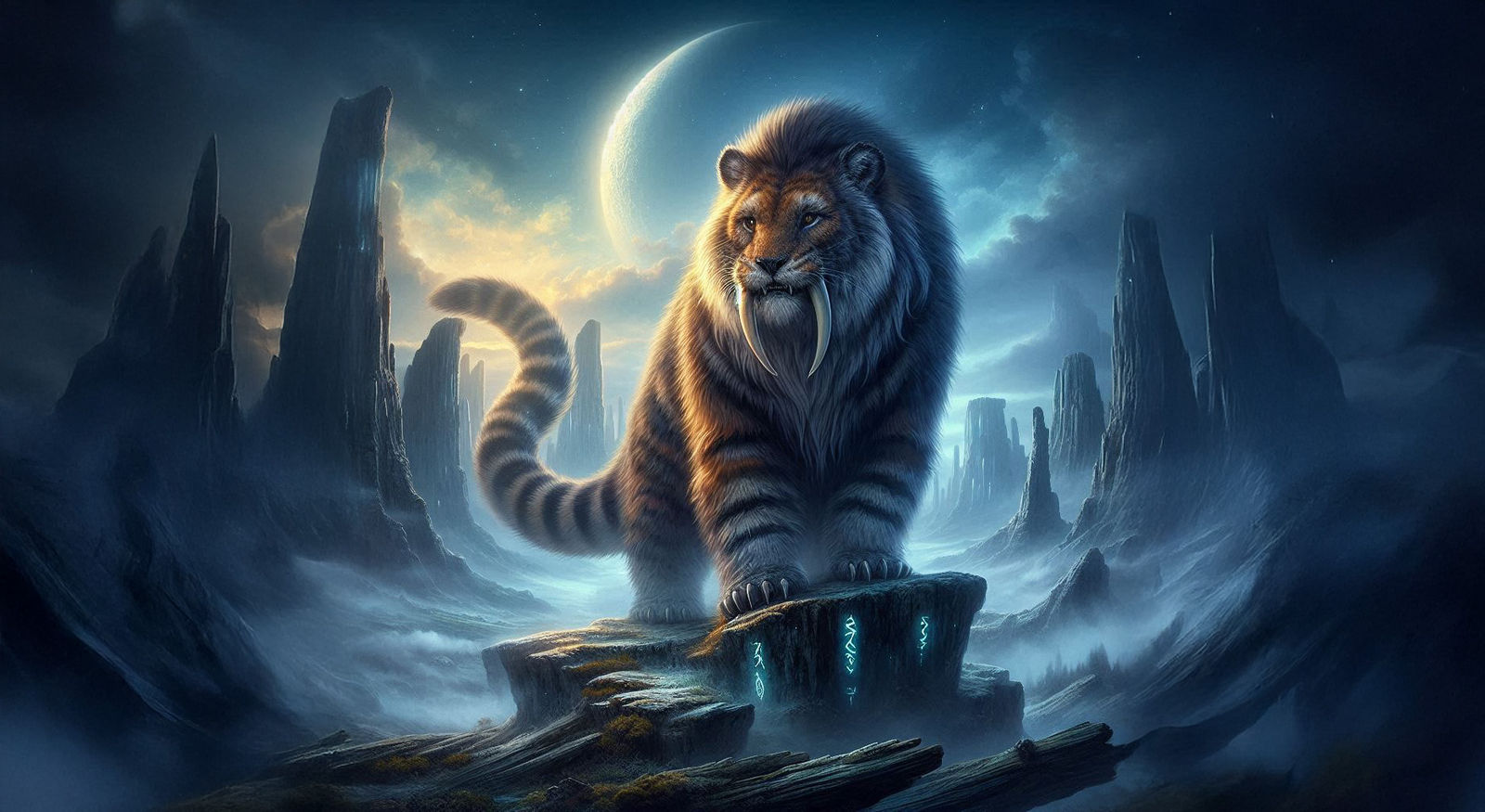
Smilodon
Created a year ago · 5 comments· 0 likes
Uploaded
Smilodon, often referred to as the saber-toothed cat, was one of the most iconic predators of the Pleistocene epoch, roaming the Americas from about 2.5 million to 10,000 years ago. Despite its nickname “saber-toothed tiger,” it wasn’t closely related to modern tigers or lions, but belonged to a now-extinct subfamily of felids called Machairodontinae. Smilodon was powerfully built, with robust forelimbs and a short tail, resembling a bear more than a sleek modern cat. Its most striking feature was its elongated upper canine teeth, which could reach up to 8 inches in length and were likely used for precision killing rather than brute force. There were three known species S. gracilis, S. fatalis, and S. populator, the latter being the largest, weighing up to 960 pounds. Fossils from the La Brea Tar Pits in Los Angeles have provided extensive insight into its anatomy and behavior, though scientists still debate whether Smilodon lived in social groups or hunted alone. It's dramatic appe
5 Comments
Join the conversation


lionel @lionel_a
Very nice Smilodon! (Smilodons are not so easy to draw)
2025-08-11T12:17:49.306ZReply


Thank you all for your wonderful creations 😃 There were still a lot of beautiful images. It was difficult compete due to the high quality of all your images 😃 Congratulations to the winners!
For the next #11 round, if we have more than 50 submitted creations, I'll switch to vote method instead of ranking:
Results of this challenge: /game/xJyHSaY5Zi1nIQD4StRz/results
Creation Settings
This creation was not made on NightCafe.
- Model
Bing
- Prompts
- A regal Smilodon standing atop a mist-covered cliff at twilight, its saber teeth glinting under a crescent moon. The creature’s fur is thick and iridescent, shimmering with hues of deep amber and silver. Ethereal fog swirls around its paws, and ancient runes glow faintly on the rocks beneath it. In the ...
- Workflow
Not provided


