
✨ Save 50% on Annual Plans ✨ Claim 6 months FREE →
All the best AI models in one place
Nano Banana, GPT Image, Flux, Seedream, Seedance and more. Try it now for free!

a year ago
Lena Stojak
Created a year ago · 6 comments· 0 likes
Uploaded
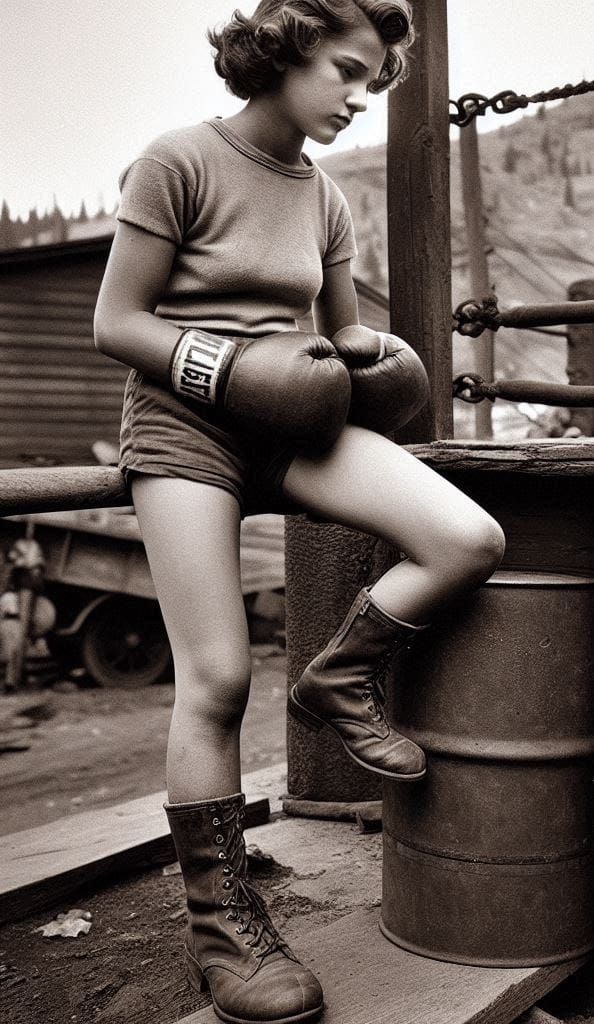
In 1933, in a mining town outside Butte, Montana, sixteen-year-old Lena Stojak stood at the edge of a makeshift ring—boxing gloves laced tight, fear buried deep. With her father injured in a shaft collapse and her brothers too young to work, Lena took a job usually reserved for boys: participating in weekly “glove fights” at the local union hall. Winners took home a small purse—enough to buy bread and medicine. Losers got bruises and shame. She didn’t just fight; she danced.
6 Comments
Join the conversation


David Brumit @DBBrumit
Oh wow Brother! Very Cool 😎 I love this image and the backstory. Great subject matter and well done.
2025-08-03T10:51:49.246ZReply


Creation Settings
This creation was not made on NightCafe.
- Model
DALLE3
- Prompts
808SoopaFly has hidden the prompt
- Workflow
Not provided


