

Create Impressionist Landscapes with AI
Transform your artistic vision with our free AI image generator. Easily create stunning impressionist-style landscapes.

2 years ago
Uploaded
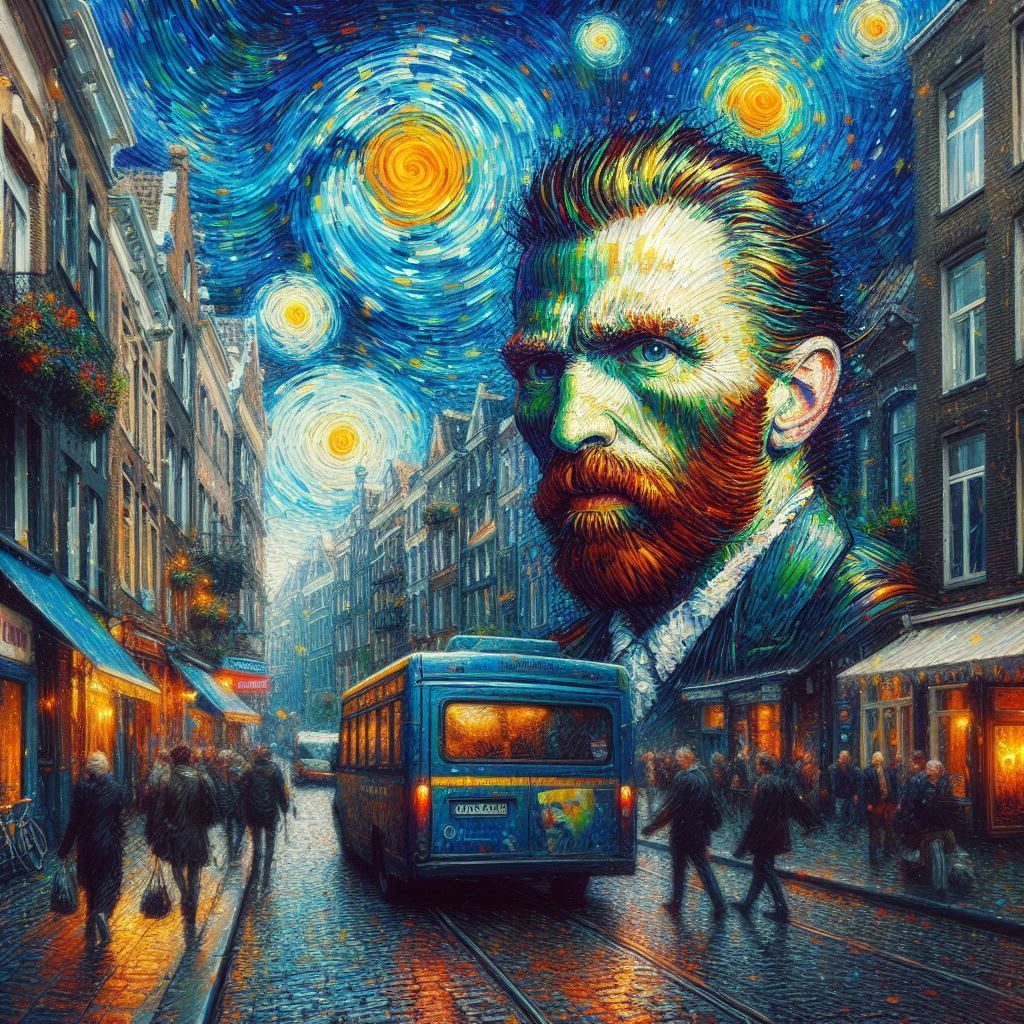
Scientists recently analyzed Vincent van Gogh’s Starry Night to see how well its famous swirls matched up with known atmospheric physics.
After analysis, they found that not only did the shapes match up with our current ideas of atmospheric turbulence, but the colors used throughout the piece communicated fairly accurate physics at a remarkably small scale.
Researchers think that Van Gogh could have come to understand these movements by “studying the movement of clouds and the atmosphere, or that he could have just had “an innate sense of how to capture the dynamism of the sky.”
1 Comment
Join the conversation

Creation Settings
This creation was not made on NightCafe.
- Model
Bing, Dalle
- Prompts
Not provided
- Workflow
Not provided


