
Generate Images of Vietnamese Gods & Goddesses
Create your own depictions of Vietnamese deities! Our AI image generator makes it easy and free.

3 years ago
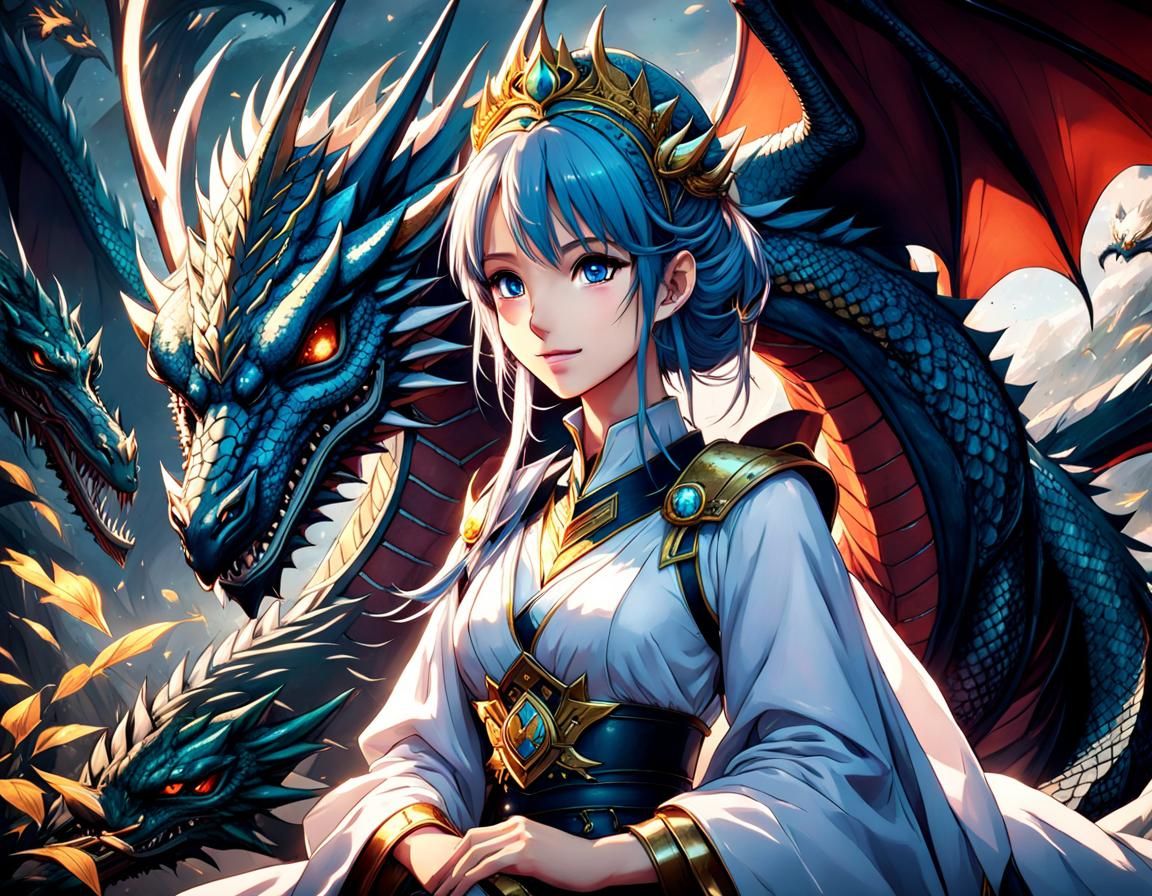
Thần Mẫu (Mother Goddess): A vital deity in Vietnamese folk religion, embodying fertility, women, and family protection, central to various rituals and festivals.
Created 3 years ago · 0 comments· 0 likes
Mysterious XL v4
The worship of Thần Mẫu has ancient roots, dating back to the agricultural traditions of Vietnam. As an agrarian society, the Vietnamese people deeply valued the concept of fertility, both in the land and within the family. Thần Mẫu came to symbolize this fertility, embodying the nurturing and life-giving aspects of femininity.
Her significance transcended the purely agricultural and extended into family life. Thần Mẫu was seen as a protective deity, guarding households and ensuring the well-being of children and loved ones. In this dual role as a fertility and family protector, she was central to the Vietnamese way of life.
Over time, the rituals and festivals dedicated to Thần Mẫu evolved, blending indigenous beliefs with elements of Buddhism and Taoism. Today, her worship continues as an integral part of Vietnamese culture, fostering a connection to ancestral traditions and a deep respect for the enduring importance of women, fertility, and family in Vietnamese society.
No comments yet
Be the first to respond!

No comments yet.
Creation Settings
- Text Prompts
Johnny Mnemonic has hidden the prompt
- Model
 CKPT
CKPT- Initial Resolution
Medium
- Aspect Ratio
1:1
- Runtime
Short
- Overall Prompt Weight
50%
- Refiner Weight
50%
- Sampling method
K_DPMPP_2M


