

GPT Image 2 Low
GPT Image 2 from OpenAI on low quality setting. Excellent value with strong prompt fidelity and text rendering. Supports prompt-to-edit and multi-image fusion.
Model specifications
Art
Realism
Cost
$$$$$
Prompting
Typography




Lalwen do have points and I agree with all of them. Yet recently I tried a pretty complex script that work okay with Z Turbo, yet get wonderful result from GPT 2 Low... Yeah, it puzzle me very much. Strangely Broken Statue of Goddess in the Hallowed Hall: Echo and Fade

The most counterintuitive model I've ever used. The better-written and more detailed the prompt, the worse the resulting image seems to be (and vice versa). If you want to get the best out of it, forget everything you know about successful prompt writing, type something incredibly simple instead, and let it do all the heavy lifting for you.
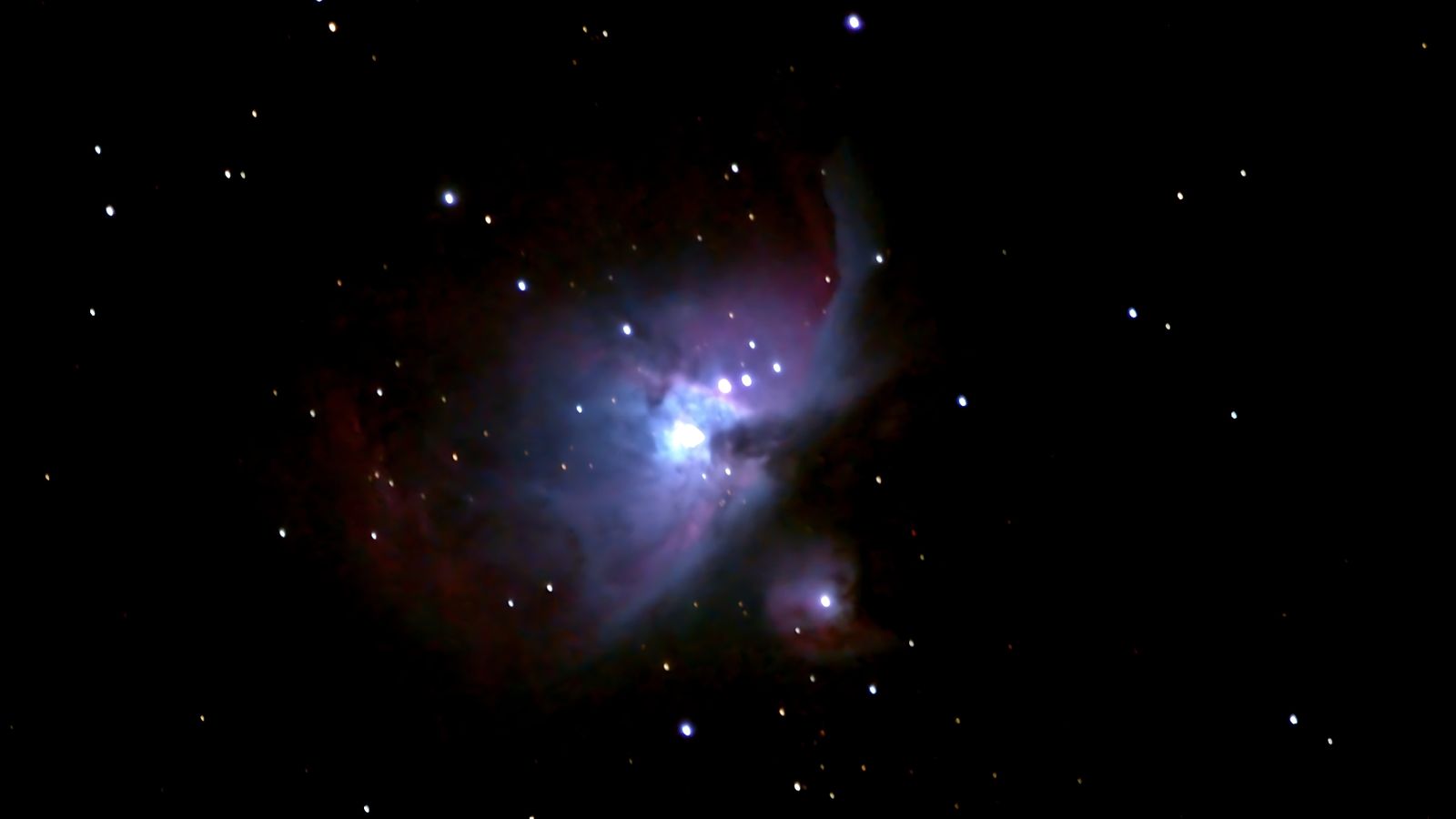
When I first used this model, it seemed to do quite a reasonable job - but then I noticed that all my recent images look like they've been stippled - terrible graininess. I still use it, but with reservations.

I finally got a Whitney Houston portrait from this model. This model kept blocking my Whitney prompts before.
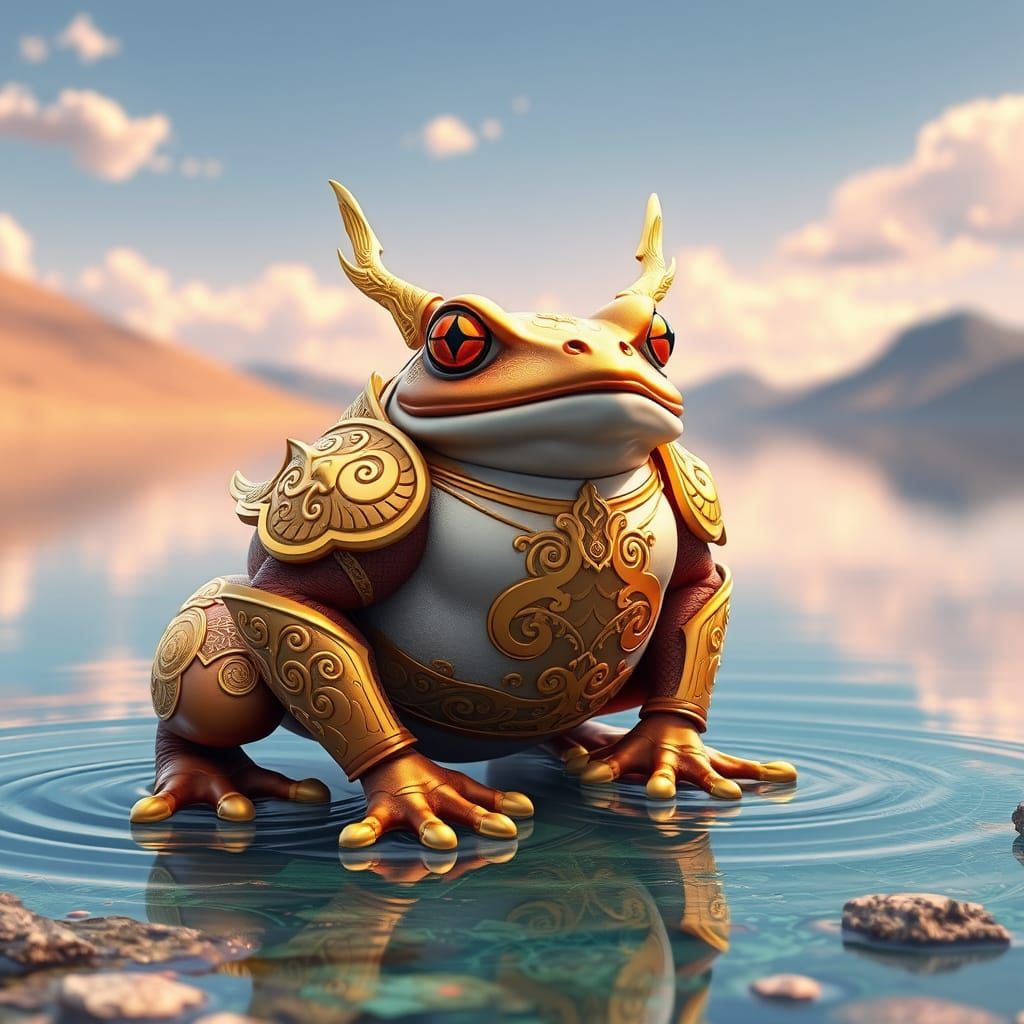
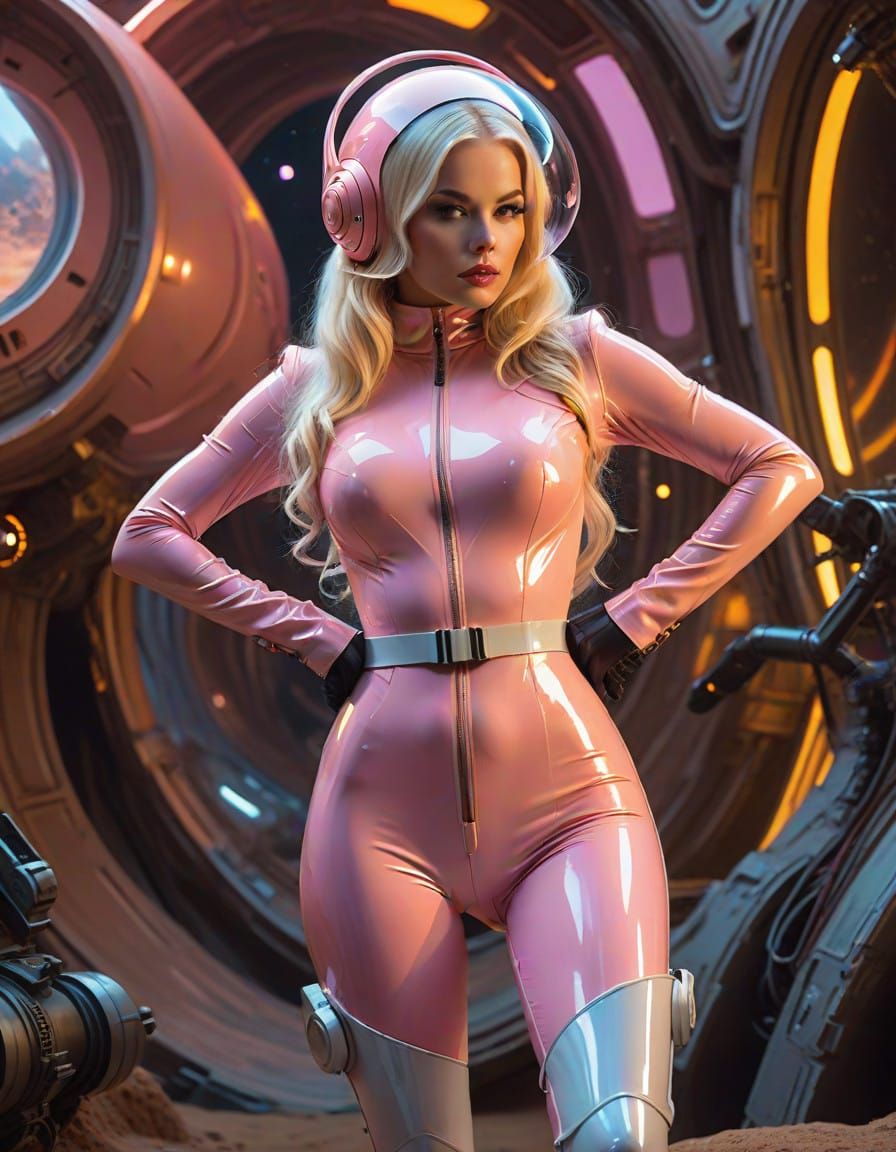
Too much reject-refunded without any reason, I lost my time, definitely hate this model !!!
After tens of reject-refunded, several terrible generation, finally I got one that is passable. My experience is that dont try for low-light condition, because the grainy effect will make all tiny details disappeared. Good light source and at least you can see some, and pretending it's snow (or rain, or sandstorm) covering all that.

Terrible image fidelity. Usual ChatGPT sepia/brown tinted pseudo-HDR murky output 90% of the time, though thankfully not as bad as the sludge-hued brown-o-vision version of ChatGPT v1.0 output The low quality version of 2.0 has a tendency to produce backgrounds featuring horrific and instantly noticeable texture repetition resembling what can be only described as a blind-folded 5 year old using the clone function of a Photo Shop program for the first time. These awful images stand out like a sore thumb, a thumb bleeding heavily from short-runtime deficiencies and mediocrity. The upside is that ChatGPT's prompt adherence is second to none, even using this cheap setting. The images, though second-rate in quality, make great start/prototype images for higher fidelity models.

This is such a great model! The images it creates are beautiful.
Comments