
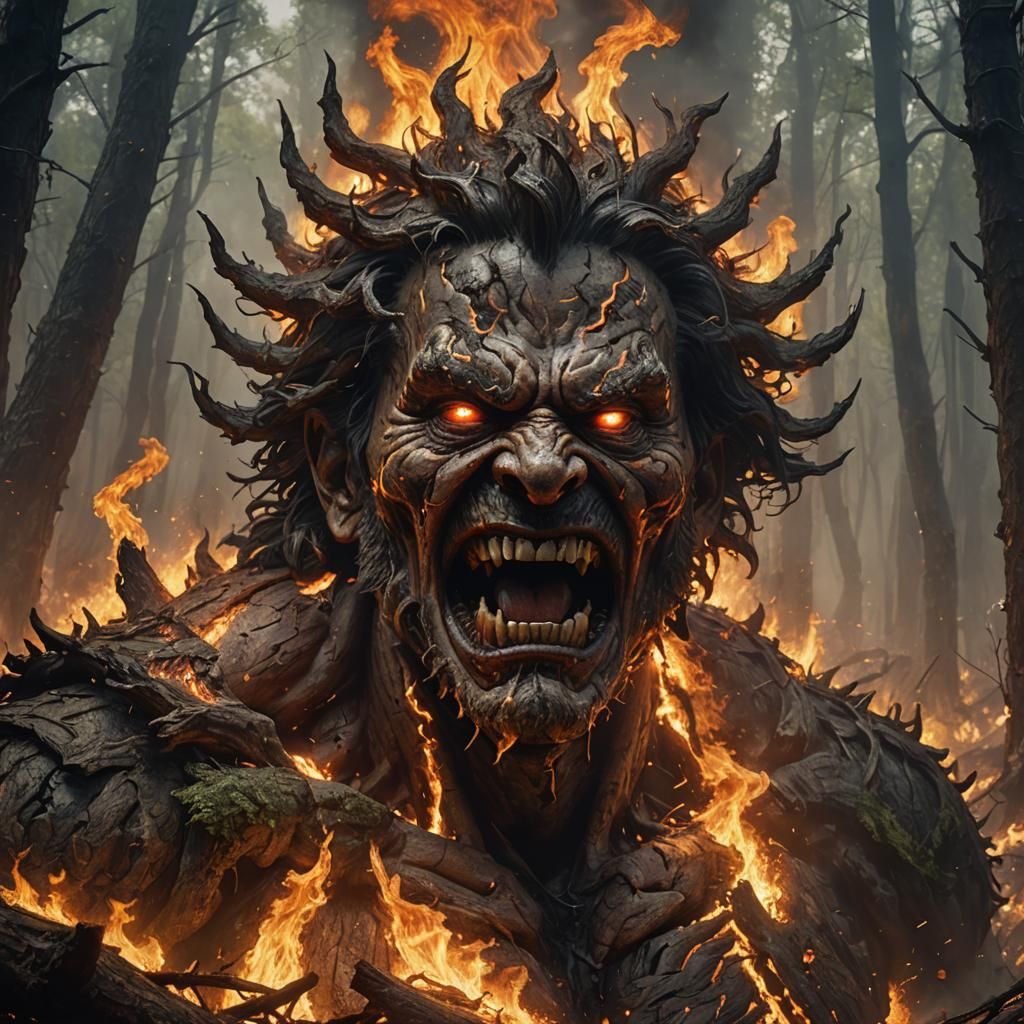
Generate Your Own Fire Element Art
Create your own elemental masterpieces. It's free and easy to generate images representing fire and other elements.

2 years ago
Aristotle's Four Elements: Fire
Created 2 years ago · 2 comments· 0 likes
Dreamshaper XL Lightning
In On the Heavens (350 BC), Aristotle defines "element" in general:
An element, we take it, is a body into which other bodies may be analysed, present in them potentially or in actuality (which of these, is still disputable), and not itself divisible into bodies different in form. That, or something like it, is what all men in every case mean by element. — Aristotle, On the Heavens, Book III, Chapter III
In his On Generation and Corruption, Aristotle related each of the four elements to two of the four sensible 'qualities':
- Fire is both hot and dry.
- Air is both hot and wet (for air is like vapor, ἀτμὶς).
- Water is both cold and wet.
- Earth is both cold and dry.
2 Comments
Join the conversation


rhadooss @rhadooss
Another great FAIR AND SQUARE challenge is now finished! Amazing work from everyone, your creativity is stunning and keeps amazing me everytime! Congrats to everyone for participating and, of course, to our winners! Thank you for being part of my challenge and I hope to see you to the next one what is about to start! Always keep it FAIR AND SQUARE!!!
2024-05-16T12:51:44.529ZReply
Another amazing DAILY NO THEME CHALLENGE in the books! From the bottom of my heart THANK YOU all for always rocking with me, I feel the love! Here are the WELL-DESERVED winning entries! Logged in and can’t find results? Just click on one of the winning images below!
POSTING A NEW CHALLENGE SHORTLY! MEET ME THERE!
See you soon!
XOXO,
WYN
Creation Settings
- Preset Style
Bon Voyage
- Text Prompts
Papy Ion has hidden the prompt
- Model
- Initial Resolution
Medium
- Aspect Ratio
1:1
- Runtime
Short
- Overall Prompt Weight
50%